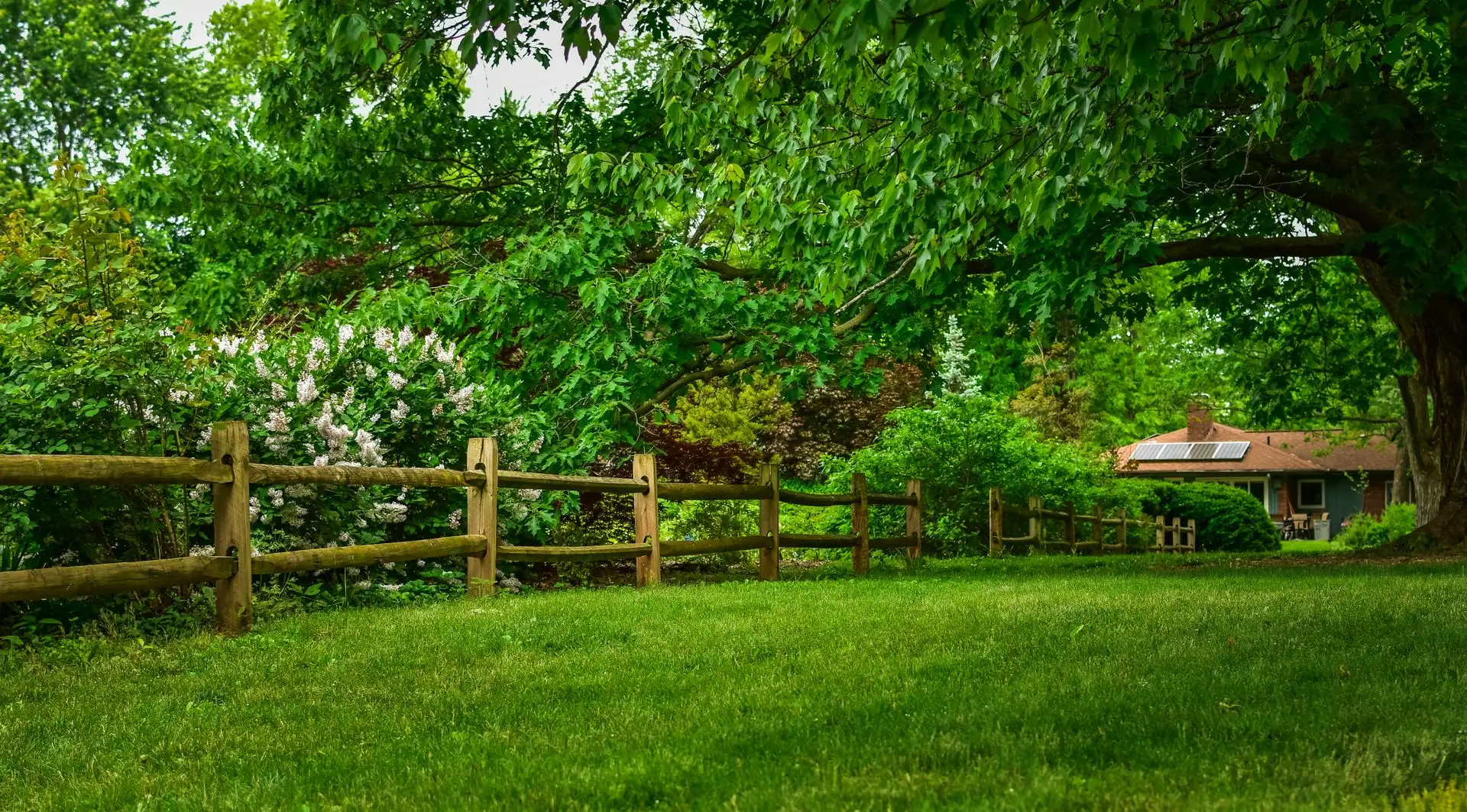
Lawn replacement in Moore Park, Toronto
Your back lawn may end where a protected ravine begins. We plan the tear-out, the grading and the new sod around the slope, the trees and the City's ravine by-law.
A back yard with a ravine past the fence
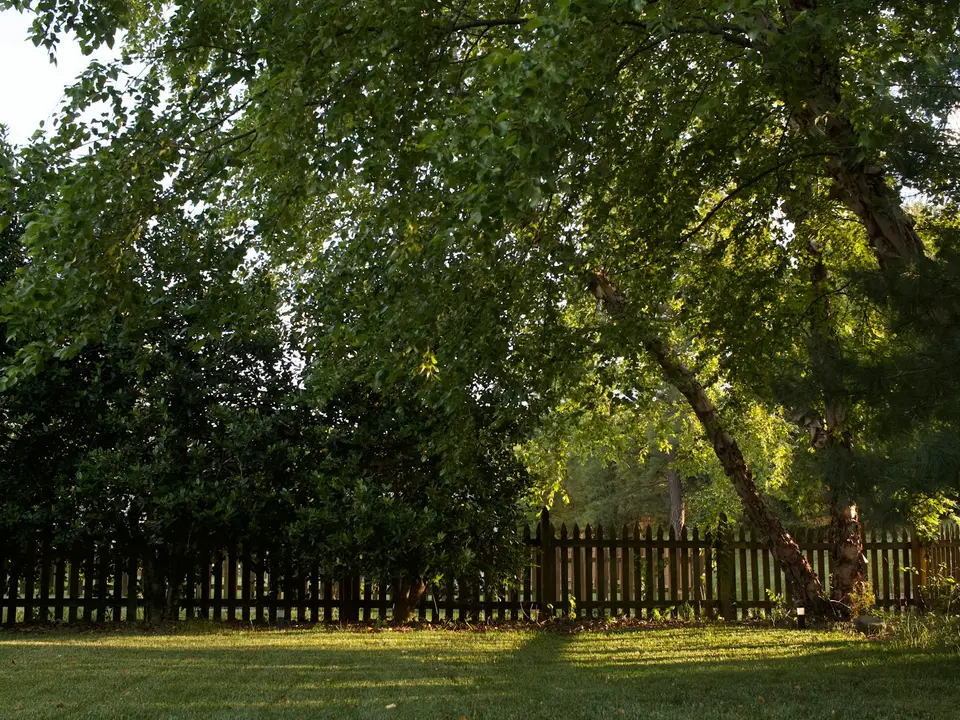
Moore Park lies between two ravines. The Moore Park Ravine and the Beltline Trail form its east edge, and the Vale of Avoca runs just west of Mount Pleasant Road. On the streets beside them a back lawn can stop at a fence with the slope falling away behind. The City's guide for ravine owners warns that digging or adding soil near a slope can destabilize it, so we settle the grade on paper before any turf comes out. Where only the last strip at the edge is thin, the guide suggests leaving it unmown and planted, which is not a lawn job.
The neighbourhood is named for John T. Moore, and its residents' association gives 1889 as the year it was founded. Moore was vice-president of the Toronto Belt Line Railway, which opened in 1892 with a station at Moore Park and ran through the ravine on the east side; the trail follows it today. The zoning by-law sets a minimum lot frontage of 9 or 12 metres on Moore Park's house streets. Along the ravines the City's Ravine and Natural Feature Protection By-law maps its protected area by landform, not by lot line, so it can take in a back yard and leave out the front.
What a ravine edge changes in a Moore Park plan
| What we see here | What it changes |
|---|---|
| A back yard inside the protected area | Chapter 658 says no one may alter the grade of land, or place or dump fill, in a protected area unless a permit allows it. A lawn replacement regrades and adds topsoil, so the plan states what moves and where. Confirm your Moore Park lot's status with Urban Forestry. |
| Trees along the back fence | In a protected area the by-law covers trees of every size, and the City sets a tree's protection zone at its drip line or wider. Inside that zone the grade is left alone. Under a ravine-edge canopy Kentucky Bluegrass gets less sun, and it thins in deep shade. |
| Water heading for the slope | The City's ravine guide says to send downspouts to flat ground and keep water off the top of a slope, since water building up in soil can weaken it. A Moore Park regrade falls away from the ravine edge where the lot allows. It moves water; it does not reduce it. |
Back, front, grade and price in Moore Park
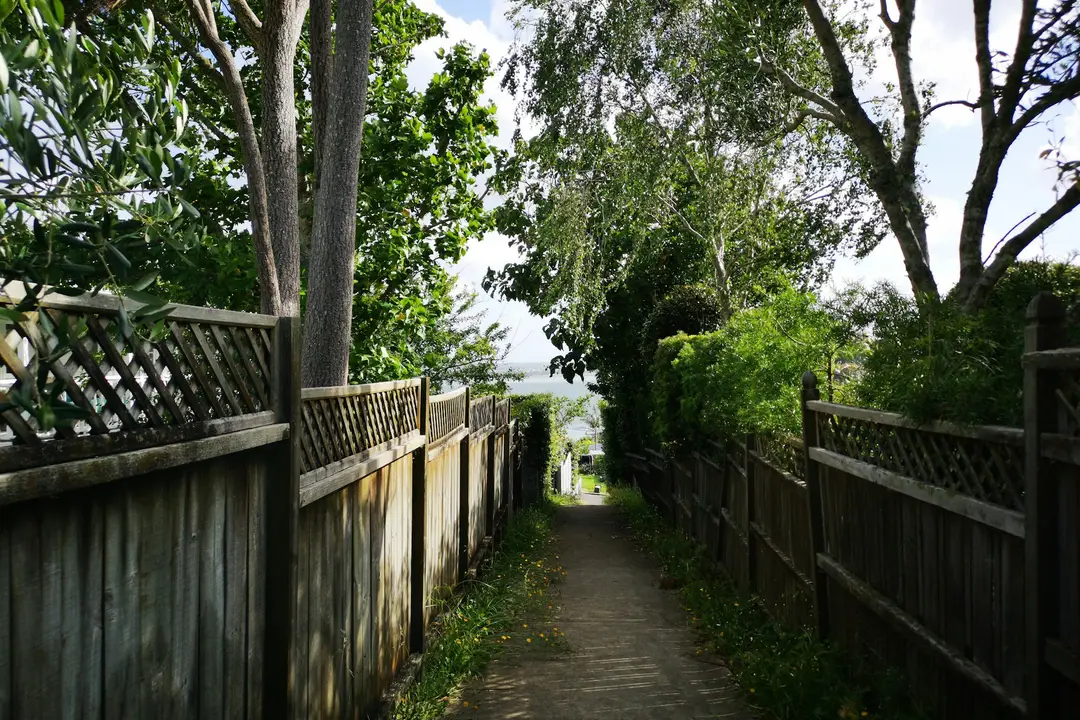
- Backyard lawn replacementThe back yard page covers how turf leaves and soil arrives through a side passage, and what happens at a fence line that in Moore Park may be a ravine edge.
- Front yard lawn replacementOn a Moore Park ravine lot the front yard may fall under the Private Tree By-law instead of the ravine by-law; the front yard page covers trees and the boulevard.
- Lawn levelling and regradingAltering grade is what Chapter 658 regulates, so on a Moore Park ravine lot the levelling page matters most; we regrade only under a new lawn.
- Lawn replacement costWith zoning frontages of 9 and 12 metres, Moore Park back lawns vary in size; the cost page gives four size bands and two worked examples.
What a lawn replacement costs
Most whole-lawn replacements in Toronto run $2.25 – $4.50 a square foot, with a $1,500 minimum.
In Moore Park the price moves with how the work is reached and limited: soil carried in by a side passage, nothing stockpiled near protected trees, grading held back from the slope. A back lawn away from the ravine edge is a plainer job. Moore Park back lawns are sized in the bands on the cost page.
Nearby
Old Toronto · Rosedale · Davisville Village · All areas
Questions from Moore Park
- Does replacing a back lawn beside the Moore Park Ravine need a ravine permit?
- Is my Moore Park yard in a TRCA regulated area as well?
Does replacing a back lawn beside the Moore Park Ravine need a ravine permit?
That depends on the lot and on how much the grade changes, and only the City can say. Chapter 658 prohibits altering grade or placing fill in a protected area without a permit, and it lists exceptions, one being less than five cubic metres of soil to maintain an existing manicured area. Urban Forestry administers it and publishes a map of protected areas. Send your Moore Park address on the planning form.
Is my Moore Park yard in a TRCA regulated area as well?
It may be, and TRCA's online Regulated Area Search will tell you. Toronto and Region Conservation Authority regulates development in or near valleys and streams, which takes in site grading and placing fill, under Ontario Regulation 41/24. The City's ravine guide says TRCA's requirements come first where a property is inside its regulated area. Once you know, call (647) 243-6576 and we will plan the grade to suit.